- Key Takeaways
- Introduction
- Why Invest in Miami Real Estate?
- Top 3 Property Types for Miami Real Estate Investment in 2025
- Key Factors to Consider Before Investing
- Frequently Asked Questions
- Conclusion
Key Takeaways
- Miami’s real estate market continues to thrive due to population growth, international appeal, and a strong rental market.
- Condos in urban hubs like Brickell and Downtown offer high rental yields but come with HOA fees.
- Single-family homes in suburban areas provide long-term appreciation and rental stability.
- Pre-construction properties offer lower entry prices and customization options but may face construction delays.
- Understanding local regulations and market trends is essential for maximizing investment returns.

Introduction
Miami’s real estate market continues to evolve, making it a prime destination for investors seeking high returns. Whether you’re considering a luxury condo in Brickell, a single-family home in Coral Gables, or a pre-construction property in Wynwood, understanding the best investment opportunities is crucial.
Why Invest in Miami Real Estate?
Miami remains a hotspot for real estate investment due to several key factors:
- Strong Population Growth: Miami’s population has increased by nearly 10% over the past decade, with professionals relocating for opportunities in tech, finance, and hospitality.
- International Appeal: The city attracts global investors and high-net-worth individuals seeking luxury properties and tax advantages.
- Thriving Rental Market: Demand for both short-term vacation rentals and long-term leases continues to rise.
Top 3 Property Types for Miami Real Estate Investment in 2025
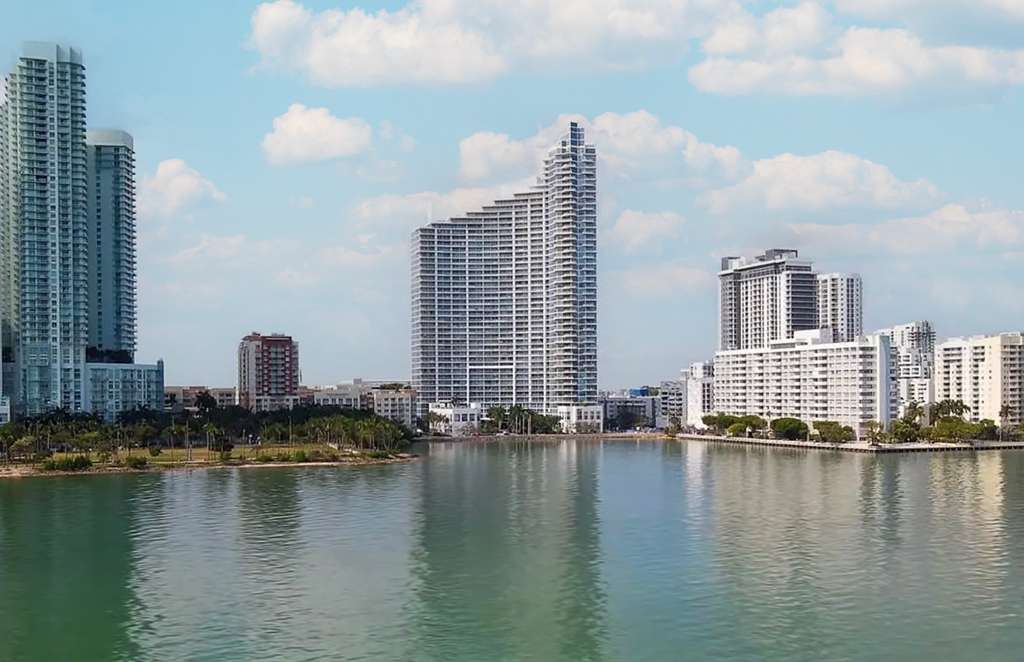
Condos in Urban Hubs
If you’re looking for a property with high rental demand, condos in areas like Brickell, Downtown, and Edgewater are excellent options. These locations are ideal for young professionals and international investors due to their proximity to business districts, nightlife, and public transit.
Pros:
- High rental yields
- Lower maintenance compared to single-family homes
- Strong appeal to international buyers and renters
Cons:
- HOA fees can increase costs
- Potential risk of oversupply in some areas
Investor Tip: To make your condo investment stand out, prioritize units with modern upgrades, smart home features, and premium finishes.

Single-Family Homes in Suburban Areas
For those seeking stable, long-term investments, single-family homes in suburban neighborhoods such as Coral Gables, Pinecrest, and Kendall offer strong appreciation potential. These areas attract families looking for top-rated schools, spacious properties, and a quieter lifestyle.
Pros:
- Steady property appreciation
- Long-term tenant potential
- Flexibility for Airbnb or long-term leasing
Cons:
- Higher maintenance costs
- Requires more hands-on management
Investor Tip: Before purchasing a home for Airbnb, check local regulations. Some neighborhoods, like Coral Gables, have strict short-term rental rules, while areas like Little Havana may be more Airbnb-friendly.

Pre-Construction Properties
Investing in pre-construction homes or condos can offer lucrative opportunities, particularly in emerging areas like Wynwood and Midtown. Developers often provide attractive pricing and incentives for early buyers.
Pros:
- Potential for strong appreciation upon completion
- Customization options for finishes
- Lower entry prices compared to completed properties
Cons:
- Possible construction delays
- Market conditions may change before completion
Investor Tip: Research the developer’s track record before investing. Look at their previous projects to ensure they have a history of timely completions and quality construction.
Key Factors to Consider Before Investing
Before making a real estate investment in Miami, keep these factors in mind:
- Location Trends: Areas with upcoming infrastructure projects and new developments typically see higher appreciation.
- Rental Demand: Determine whether the area is best suited for short-term vacation rentals, long-term leases, or a mix of both.
- Market Conditions: Monitor interest rates and inventory levels to ensure a sound investment decision.
Frequently Asked Questions
1. What is the average ROI for Miami real estate investments? ROI varies depending on the property type and location. Single-family homes in prime areas yield an average ROI of 5% to 8%, while condos in high-demand urban hubs can offer similar or higher returns depending on rental demand.
2. Are there tax benefits to investing in Miami real estate? Yes, investors can benefit from tax advantages such as depreciation deductions, lower property taxes on pre-construction properties, and potential capital gains tax savings.
3. What are the average HOA fees in Miami condos? HOA fees range from $300 to $1,500 per month, depending on the building’s location, amenities, and age.
4. Should I invest in an Airbnb or long-term rental property? This depends on location and local regulations. Airbnb properties in tourist-heavy areas can yield higher short-term profits but require more management. Long-term rentals provide steady income with fewer operational challenges.
Conclusion
Whether you’re interested in a luxury condo, a spacious single-family home, or a high-potential pre-construction project, Miami offers investment opportunities for every type of buyer. Partnering with an experienced real estate professional will help you navigate the market and maximize your returns.
Are you ready to invest in Miami real estate? Contact us today to explore the best properties available for 2025!
For more real estate insights, subscribe to our YouTube Channel.